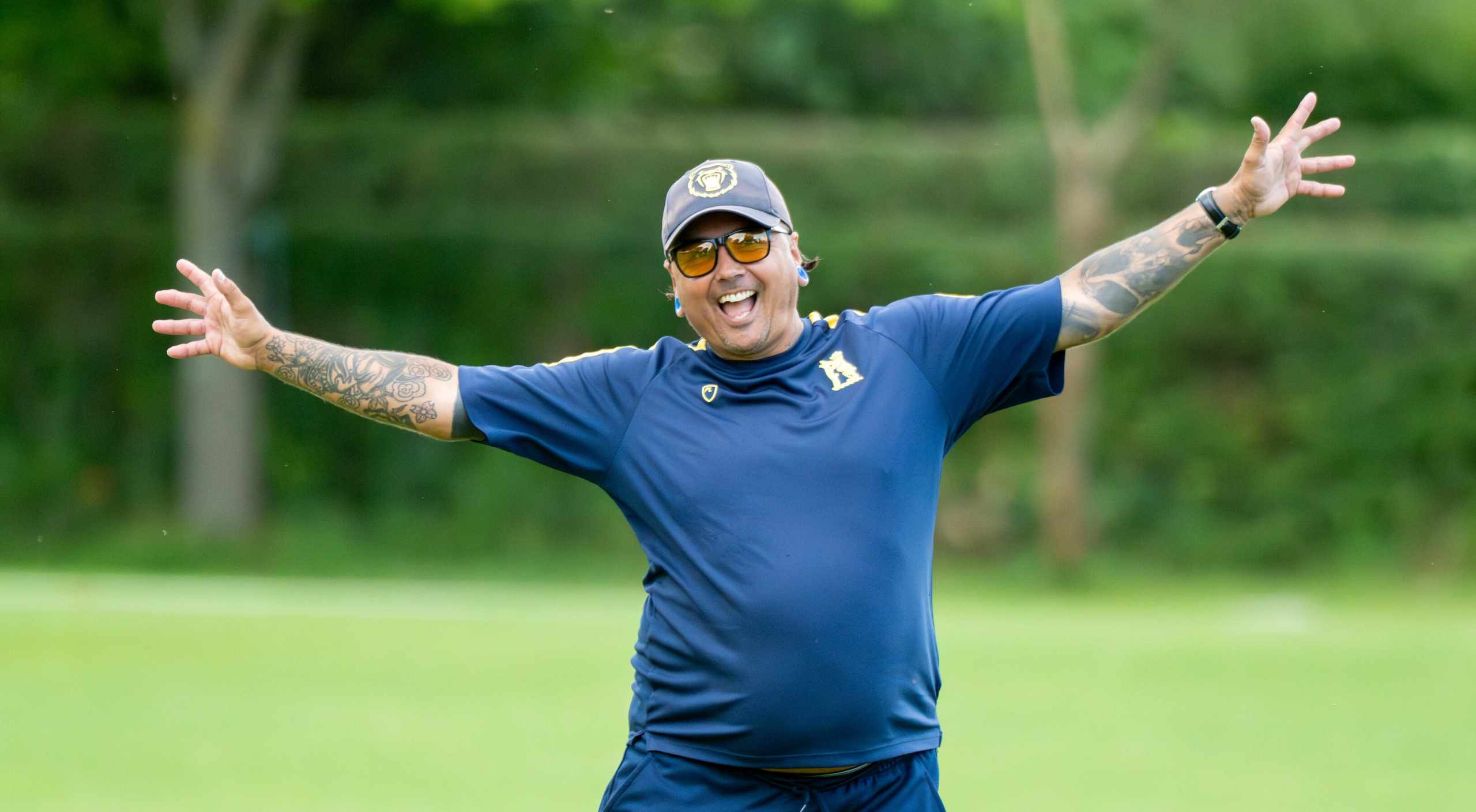
For many people, Cricket is a sport. For Dean, it became a lifeline.
A former age group international swimmer, Dean spent his early years chasing medals, training for hours each day, and representing his country across Europe. But everything changed after a life altering accident led to the loss of his leg.
Dean found his way back into sport through the Warwickshire Cricket Foundation’s accessibility cricket programme. He arrived at his first session unsure how it would feel to play again, this time as an amputee. “I wasn’t sure if I’d enjoy it,” he says. “But I did, and it’s probably been the most enjoyable cricket I’ve ever had.”
That session sparked a new journey. Dean is now captain of Warwickshire’s D40 team, part of the ECB’s D40 Pursuit League, and plays an important role in helping people with a wide range of disabilities find their place in the game.
I wasn’t sure if I’d enjoy disability cricket, but I loved it. And if it did that for me, I know it can do the same for others.
Dean’s approach to coaching has been shaped by his own lived experience. He understands the frustration of physical limitations and the self-doubt that can follow major injury. It’s a perspective that brings humour, empathy, and deep understanding to every session he leads.
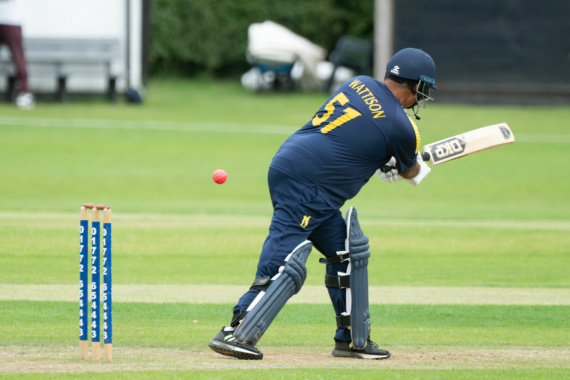
Coaching wasn’t something he initially planned. It evolved naturally, particularly after attending a retreat that helped him regain confidence and clarity. “All of a sudden I had clarity,” he explains. “I could see where I wanted to go and where I wanted to be. Coaching just made sense.”
After gaining his ECB Core Coach qualification, Dean joined the Warwickshire Cricket Foundation full time, delivering sessions in schools, community settings, and accessibility hubs. He speaks openly about the steep learning curve, especially around communication. “I’ve never been that good at talking to kids, so learning how to put across what’s going on in your head, that’s probably been the hardest thing to learn.”
Dean now tailors his coaching to individual needs, adapting for neurodiverse players and creating structured games for different groups. “One group might be all behavioural needs, so you just keep them moving and safe,” he says. “Another might be high functioning kids who want to compete. You have to read the room and plan for both.”
I used to doubt myself a lot. Coaching gave me confidence, and seeing others grow through cricket gave me belief.
The impact has been felt not just by participants, but by Dean himself. “Losing my leg changed me,” he reflects. “I’m more patient now. More tolerant. I try to enjoy life and help others find something meaningful.”
The growth of the Foundation’s accessibility cricket programme speaks for itself. What began with around 15 players has grown to 53 registered participants across Super 9s and D40 teams, a testament to dedication from coaches like Dean and the inclusive environment the Foundation continues to build.
As Dean puts it “If cricket gave me this much, it can give someone else even more.”